Ants rarely appear in a kitchen at random. A worker is usually exploring for food or water, then returning to a nest outside or inside the building. Arlington homes and small food-service spaces offer many of the conditions ants can use: a sweet spill under equipment, grease around a range, a damp cabinet, a pet bowl, or a gap where a pipe enters the wall. Once a worker finds a dependable resource, the problem can look as if ants are suddenly multiplying, even though the colony may be nearby and most of its members remain out of sight. Understanding that pattern is more useful than treating every visible ant as an isolated visitor.
The first signal is often a scent trail. Foraging ants leave chemical markers that help nestmates follow the same route to a food or moisture source. That is why a line can reappear along a backsplash, window trim, cabinet edge, or floor-wall joint after the original crumbs are gone. Wiping the route with soapy water or a mild vinegar-and-water solution can temporarily disrupt the trail, but it does not correct the entry point or nest. Watch where the line begins and ends, and note whether activity increases after cooking, dishwashing, rain, or overnight. A short video or a few captured specimens can also help with identification.
Food management matters because ants can use surprisingly small residues. Seal sugar, cereal, flour, pet food, and other attractants in tight containers; clean crumbs and sticky spots from counters, drawer tracks, appliance edges, and floors; and rinse recyclables before they sit indoors. In a café, deli, bakery, or shared kitchen, pay special attention to syrup pumps, beverage stations, mop sinks, floor drains, under-counter refrigeration, trash staging, and cracks beneath shelving. Remove food waste on a dependable schedule and keep storage areas dry. These steps reduce competing food sources, which makes monitoring more informative and helps distinguish a continuing route from a one-time foray. In residences, inspect the underside of counters and the space beside the dishwasher, where a few droplets or food particles can remain out of sight. In service spaces, coordinate cleaning between shifts so a trail is not erased in one area while food or moisture remains available in another. Keep cardboard and shipping materials off damp floors, and avoid leaving ingredient containers open during prep pauses.
Moisture can be just as important as food. Check for a slow supply-line leak, condensation, a loose drain connection, damp cardboard, wet dish towels, overflowing plant saucers, or water that collects under a refrigerator or ice machine. Carpenter ants are especially associated with damp or decaying wood, although seeing a large dark ant indoors does not by itself prove that a nest is inside. Look at window and door trim, plumbing penetrations, cabinet backs, crawl-space edges, roof or gutter trouble, and areas where ventilation is poor. Fixing the water source and replacing damaged material can remove conditions that support nesting, while also protecting the building from further moisture damage.
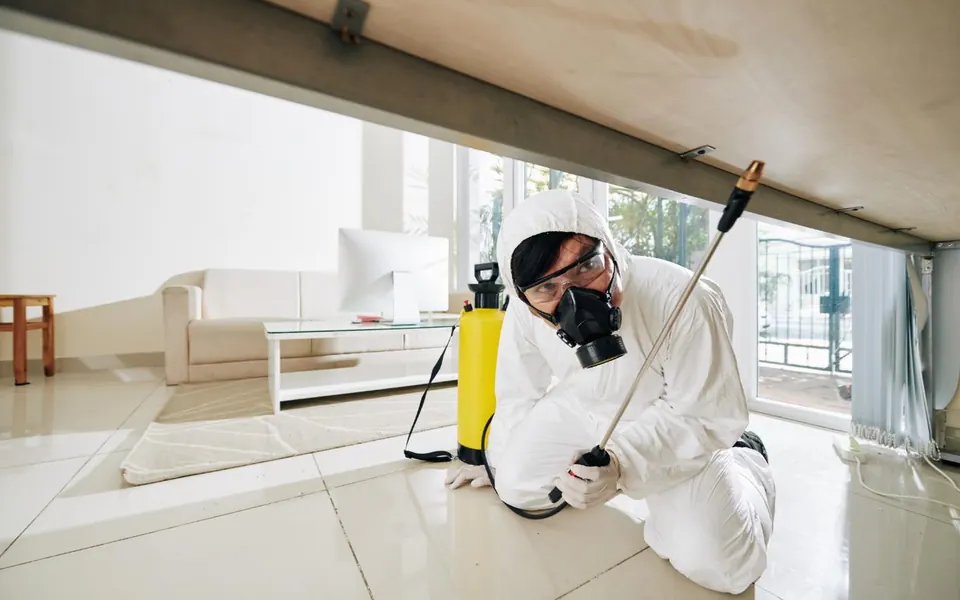
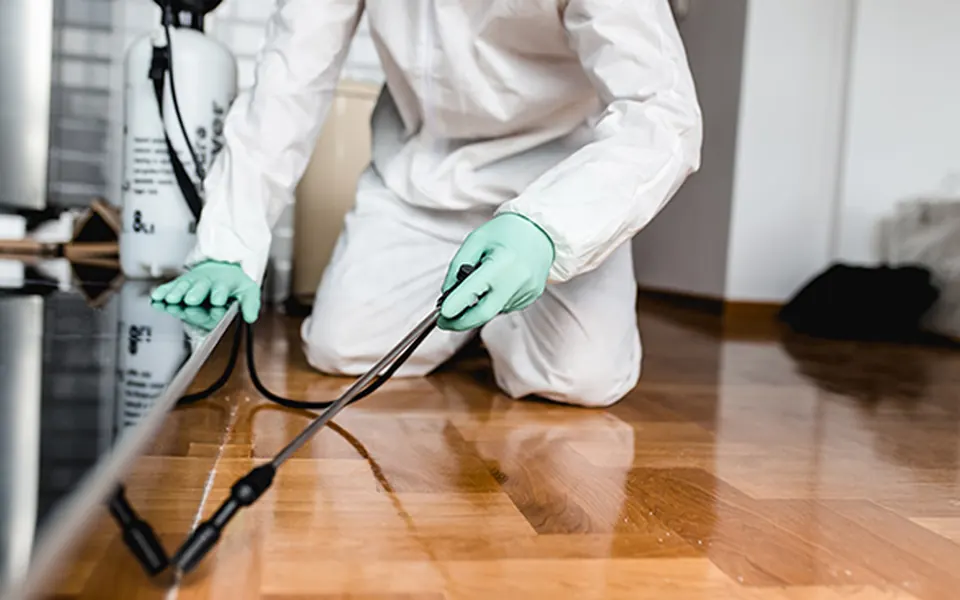
Entry points are often smaller than people expect. Ants may use cracks at the foundation, gaps around utility lines, worn door sweeps, window frames, siding joints, or branches and other vegetation touching the structure. After observing the route, seal practical gaps with an appropriate material and maintain screens and weather-stripping. Keep firewood, leaf litter, mulch, logs, and discarded lumber from resting against the building, and trim plants that create a bridge to upper floors. Do not assume that spraying the visible line solves the source: it may remove workers briefly while leaving the nest and its route unchanged. Follow product labels and keep any treatment away from food, food-contact surfaces, children, and pets.
Monitoring turns a frustrating sighting into useful information. Record the ant size, color, time of day, exact room, direction of travel, weather, and whether the insects are carrying food. Check quiet areas after dark if activity suggests a larger ant, but do not open walls or disturb electrical, plumbing, or structural components. Winged ants indoors, repeated activity from a wall or ceiling, coarse wood debris, a persistent trail despite careful sanitation, or ants appearing in several rooms deserve closer attention. Different species can prefer different foods, nesting sites, and control approaches, so identification is an important first step. A pattern that changes from sweet foods to greasy or protein-rich foods may reflect seasonal colony needs rather than a new infestation. Note whether ants are tiny and fast, larger and dark, or winged; these observations help focus an inspection without relying on a guess from a single photograph. Indoor bait may work for some foraging patterns, but competing food, multiple colonies, or an unsuitable bait can limit results; avoid combining sprays with a bait route unless the label or a qualified professional says it is appropriate.
For Arlington homeowners, the decision to seek an inspection is less about a single ant and more about persistence and context. Consider an inspection when activity returns over days or weeks, appears around a leak or damaged wood, reaches a pantry or food-preparation area, involves winged ants, or continues after food and moisture sources have been addressed. Small food-service spaces should act sooner when ants approach ingredients, prep surfaces, service counters, or waste-handling areas, because a repeatable trail can spread through busy work zones. A careful inspection should connect the insects to likely entry points and nesting conditions, explain what can be corrected by sanitation or repairs, and set realistic expectations rather than relying on a quick surface treatment. If ants keep returning after you have cleaned, dried, sealed, and monitored the route, contact Watchful Exterminators to arrange an inspection focused on the source and the conditions supporting it.