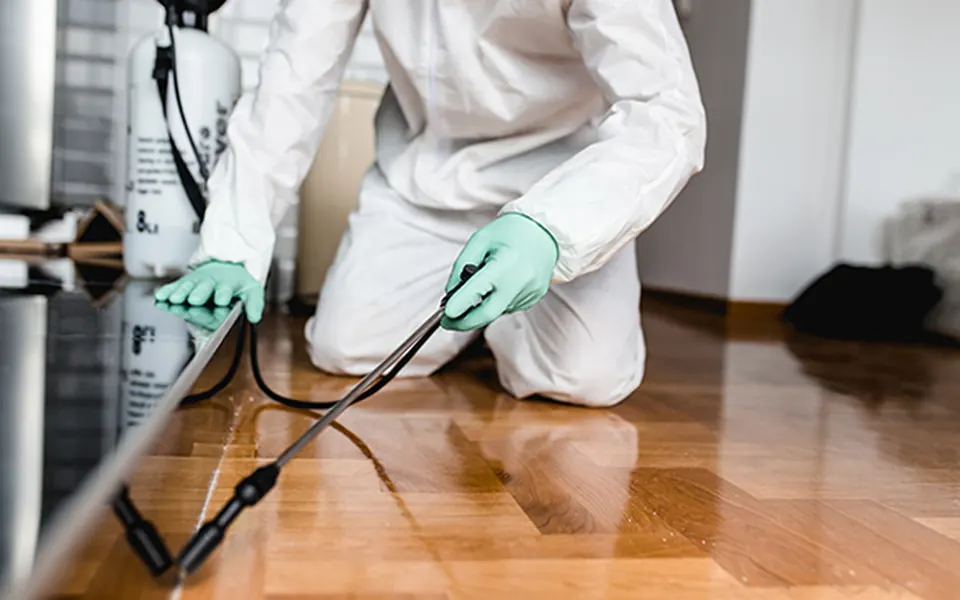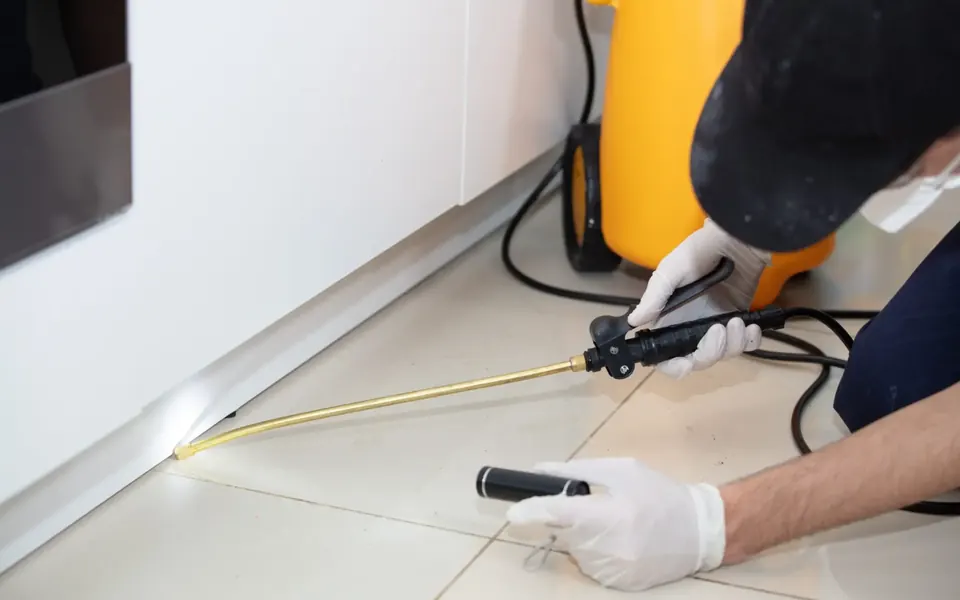
In Arlington County, the familiar cold-weather pattern is simple: mice may move indoors for warmth, while rats and mice take advantage of food, shelter, and small openings around homes and buildings. The county identifies the Norway rat and house mouse as its most common rodents. A house mouse can enter through an opening wider than a dime; a rat can use a gap wider than about half an inch. That makes fall prevention less about one dramatic fix and more about a careful walk around the property before temperatures drop. Arlington’s mix of older housing, attached homes, garden-style properties, and busy shared alleys means the inspection should include both the structure and the spaces around it. Start with the outside, then inspect the lower levels, living areas, and roofline from a safe position. A dry, mild fall day is a useful time to document conditions before winter weather hides gaps beneath leaves or stored materials.
Begin at the foundation and work upward. Look at where pipes, cables, vents, utility lines, and air-conditioning lines pass through walls; check foundation cracks, crawl-space doors, basement windows, garage thresholds, and gaps beneath siding. Replace worn door sweeps and weather stripping, and make sure garage doors close evenly. For small openings, use durable materials such as copper or steel wool backed by an appropriate sealant; larger repairs may call for metal mesh, mortar, or a professional repair. Do not rely on soft foam alone where gnawing is likely. Inspect again after heavy rain, construction, or utility work, because a sealed gap can reopen or a new one can appear. Pay special attention to corners, steps, loading areas, and the transition between brick, siding, and foundation, where movement or settling can leave narrow seams.
Next, remove the reasons a rodent would stay. Store pantry staples, bird seed, and animal food in rigid containers with tight-fitting lids rather than bags or open bins. Feed pets indoors when practical, bring bowls in overnight, and clean crumbs and spills promptly. Keep trash in containers that close securely; wash residue from cans and shared dumpster areas on a regular schedule. Pick up pet waste, fallen fruit, and garden produce. If you use a bird feeder, position it so spilled seed does not accumulate against the house. These small habits matter in row houses, detached homes, apartment buildings, and mixed-use properties because rodents tend to remain close to dependable food. In a managed building, check that trash-room doors latch, recycling is not left exposed, and residents know where food waste belongs. One neglected bin or open bag can undermine otherwise careful household routines.
Reduce outdoor harborage at the same time. Move firewood, cardboard, unused furniture, and yard debris away from exterior walls and keep them elevated where possible. Trim shrubs and branches so they do not touch the structure, and keep grass and groundcover from creating a concealed edge along the foundation. Clear leaves from window wells, drains, and basement stairwells, while preserving safe drainage. Property managers should include these checks in seasonal grounds work and ask vendors to report damaged screens, loose vent covers, overflowing waste areas, and gaps around shared utility penetrations. In attached housing, prevention works best when neighboring units and common areas are considered together rather than one doorway at a time. Keep storage rooms orderly enough to leave a visible inspection path, and avoid stacking materials tightly against walls where signs could be missed.
Use an inspection routine that looks for evidence, not just an animal sighting. Fresh droppings, gnaw marks, greasy rub marks, shredded nesting material, scratching sounds, and tracks in dusty or muddy areas can indicate activity. Check behind appliances, inside cabinets near plumbing, around water heaters, in basements, attics, garages, and storage rooms. Note where evidence is concentrated, when it appeared, and whether it is increasing. Avoid sweeping or vacuuming suspected droppings while dry; follow public-health cleanup guidance and use appropriate protective practices. Keep children and pets away from traps and any contaminated area. If evidence continues after food, shelter, and access are addressed, an inspection can help distinguish an active entry route from an old sign and set a sensible next step. Do not open sealed wall cavities or climb onto a roof merely to investigate; record what is visible from a stable, safe position and leave difficult access points for trained assessment.
For homes and managed properties, prevention is also a coordination task. Tell occupants not to place loose food or pet waste in exterior areas, and give them a simple way to report scratching, droppings, or a door that no longer seals. Document exterior conditions with dated notes or photographs, then prioritize openings by size, location, and connection to indoor space. Indoors, traps should be placed only where children and pets cannot reach them and according to the product directions; avoid improvised placement. Rodenticide use deserves extra caution because non-target animals and people can be exposed. A professional can assess difficult roofline, crawl-space, or shared-wall conditions and advise on inspection, exclusion, sanitation, and monitoring without assuming that every sign calls for the same response. For multifamily or commercial properties, assign responsibility for common areas, communicate when repairs will occur, and track whether access points stay closed after maintenance.
Before Arlington’s first sustained cold spell, reserve one final hour for a property-wide check: test every exterior door, scan vents and utility penetrations, confirm food and trash containers close, move stored materials off the foundation, and check any open maintenance ticket. If you see fresh evidence, recurring sounds, or an opening you cannot safely assess, contact Watchful Exterminators to arrange a focused inspection and discuss practical prevention steps for the home or property. The goal is not to promise that a building can never encounter a rodent; it is to make access harder, food less available, and early signs easier to act on before winter activity becomes disruptive. Keep the checklist seasonal: repeat it after storms, exterior renovations, tenant turnover, or changes to landscaping and waste collection. Consistent inspection and prompt correction are more dependable than waiting for a visible animal to confirm that access has already occurred.