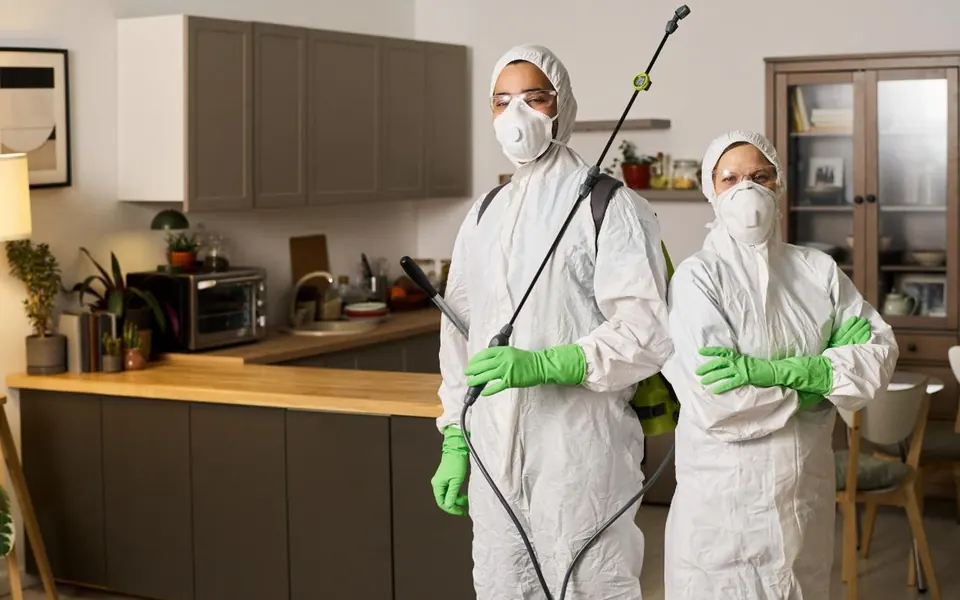
A few itchy spots after sleep can make anyone worry, but bites alone cannot confirm bed bugs. People react differently, and marks may appear days after a bite or look like mosquito or flea bites. Bed bugs are small, flat, reddish-brown insects that feed at night; they are not known to spread disease, though itching can disturb sleep and scratching can irritate skin. They can appear in any home, regardless of housekeeping. The useful first response is steady and evidence-based: avoid panic, do not blame anyone, and focus on finding physical clues. Put on simple clothing that can go straight into a dryer afterward, and keep a small flashlight, bags, and a notebook ready. A slow, room-by-room approach is more useful than treating every mark as proof. If someone has a severe or unusual skin reaction, seek medical advice; identifying the insect and managing the home are separate steps.
Start the inspection where people sleep, then work outward. Use a bright flashlight to examine mattress piping and folds, the box spring, bed frame, headboard, nearby nightstands, upholstered furniture, baseboards, and cracks. Look for live insects, pale shed skins, tiny eggs or eggshells, and rusty or dark spotting on fabric or nearby surfaces. A sweet, musty odor can occur with heavier activity, but scent is not proof. Bites on their own are not a reliable diagnosis. If you find a specimen, capture it in a sealed container or clear tape rather than crushing it, and note the room, date, and exact location. In an Arlington apartment, condominium, or townhouse, make a written record of rooms checked; nearby sleeping spaces may need attention if signs are confirmed. Pay special attention to places where people rest for long periods, including a guest bed, recliner, or child’s sleeping area. Do not rely on a single photograph or one unexplained spot to determine the extent.
Containment is more helpful than a frantic cleanout. Bed bugs hitchhike in seams and folds of luggage, clothing, bedding, bags, and furniture, so moving belongings from a suspected room into a clean room can spread the problem. Keep clothing off the floor, reduce loose clutter in place, and put unwanted or infested items directly into sealed plastic bags before carrying them outdoors. Do not drag a mattress, sofa, or other furniture through shared hallways or to the curb before it has been assessed. If an item must leave the room for treatment, seal it first and use a deliberate route. Marking a bag with its contents and room can help everyone follow the same plan. Keep bags closed until they reach the dryer, a sealed container, or the agreed treatment area. Resist the urge to donate, sell, or give away questionable items; an attempted solution can unintentionally move insects to another household.
For washable textiles, place items into a dryer carefully and use the hottest setting the fabric can safely tolerate; heat from a household dryer is more dependable than washing alone for vulnerable clothing and bedding. Transport items in sealed bags, then put clean, dry items into fresh bags or lidded containers until the situation is understood. Vacuuming can remove some insects and eggs from seams and edges, but immediately seal the vacuum contents and take them to an outdoor bin. Avoid throwing out furniture simply because you are worried. If disposal is necessary, make the item unusable and follow local collection guidance so another household does not take it. Keep pets, children, and people with respiratory sensitivities away from any product or equipment used during treatment. Do not use outdoor chemicals indoors, and never combine products. If you rent, share the concern promptly with the appropriate housing contact and follow the building’s access instructions.
Preparation for an inspection or treatment should make hiding places easier to access, not scatter belongings. Follow the written instructions provided for your home and ask which drawers, closets, wall edges, or furniture pieces must be accessible. A bed can be pulled slightly away from the wall, with bedding kept from touching the floor; encasements and interceptor devices may support containment and later monitoring when used correctly. Do not apply rubbing alcohol, kerosene, gasoline, or indoor heat from a space heater or thermostat. These approaches can create fire or health hazards and may scatter insects. Foggers are not a complete answer because their spray may miss cracks and crevices. Any pesticide should be labeled for bed bugs and used exactly as directed, with people and animals kept out as required.
A careful plan may involve more than one visit or method because eggs can hatch after the first round, and hidden insects may be missed. That does not mean a home is unclean or that an initial step was pointless. Keep sleeping arrangements consistent unless a professional directs otherwise; moving to a sofa or another bedroom can give insects new places to follow. After preparation or treatment, inspect regularly and record what you see rather than relying only on bite patterns. Interceptors under bed legs can help show activity, but they must be checked and maintained. Continue monitoring at least every seven days when advised, and report new evidence promptly. In shared Arlington buildings, tell the property manager when appropriate so adjacent units or common pathways can be considered without panic. A simple log of dates, rooms, photos, and actions taken makes changes easier to interpret. Lack of new evidence is encouraging, but it is not a reason to stop checking immediately.
The goal is a contained, documented response: identify the insect, limit movement, prepare belongings safely, and watch for evidence over time. You do not need to empty the whole home or discard everything at the first suspicion. If clues persist or you cannot confidently identify what you found, contact Watchful Exterminators to arrange a careful Arlington inspection and discuss a practical next step for your household.